Choosing the Right Dental Restoration After Getting a Implant
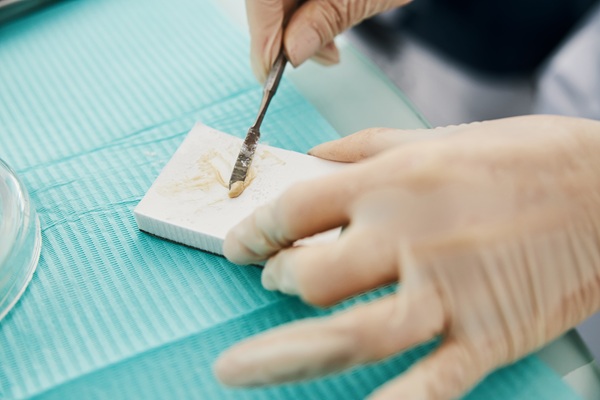
Dental restoration is key to the success and appearance of dental implants. After a dental implant is placed, you must select the appropriate restoration to complete the process and restore both the function and appearance of your smile. Various options are available, each with its benefits depending on your needs and the condition of your teeth.
What is dental restoration?
Dental restoration refers to the process of replacing or repairing damaged or missing teeth with artificial replacements. This is commonly done using crowns, bridges, or dentures that are custom-made to fit the patient's mouth. In the case of dental implants, the dentist places a restoration on top of the implant's abutment to hide the restoration and restore the function and aesthetic of a natural missing tooth.
Types of dental restoration after implants
After patients undergo the dental implant process, they will have a final appointment to place one of three dental restorations: dental crown, bridge, or dentures. A dental crown is often the most common choice for a single missing tooth, as it is custom-designed to fit the implant's abutment and blend seamlessly with the patient's natural teeth. They are durable, stain-resistant, and provide a natural look and feel.
For patients who are missing up to four consecutively missing teeth, dental bridges may be a suitable option. Bridges use two implants to support a series of replacement teeth, effectively filling the gaps between natural teeth. This option offers stability and functionality, helping restore the full function of the mouth.
For patients with multiple teeth missing or who require a full arch restoration, the dentist may recommend dentures. The dentures are artificial appliances that simulate natural teeth and gums. Therefore, when the dentist secures them over the dental implant, it provides a stable, comfortable, and natural fit for patients who may have experienced degeneration due to missing teeth.
Factors to consider when choosing a dental restoration
Several factors influence the decision when choosing the right dental restoration after getting a dental implant. One key factor is the patient's specific dental needs. For a single missing tooth, a dental crown may be the most appropriate option, while missing several teeth may require a bridge or denture.
Another factor for patients to consider is the health of their surrounding teeth and gums. In some cases, the dentist may need to reshape or adjust existing natural teeth to accommodate a dental bridge. In other cases, only the implant is necessary to support a single dental crown.
Dental implants can last a lifetime. However, the dental restoration will need to be replaced over time. Therefore, the longevity and maintenance of the restoration are also important factors. If patients properly care for their restoration, they can last for many years. According to Healthline, dental crowns can last ten to 15 years, while the Cleveland Clinic states that dental bridges can last between five and 15 years. The Cleveland Clinic also states that dentures can last between seven and ten years with proper care. It is essential to follow the dentist's recommendations for oral hygiene and maintenance to ensure the dental restoration remains intact and functional for as long as possible.
Complete your dental restoration
Choosing the right dental restoration after receiving a dental implant is crucial to ensure a successful and long-lasting outcome. Are you looking to start or complete the dental implant process? Contact our office today to schedule an appointment.
Request an appointment here: https://www.drkhorsand.com or call Khorsand Dental Group at (760) 394-3082 for an appointment in our El Centro office.
Check out what others are saying about our dental services on Yelp: Dental Restorations in El Centro, CA.
Related Posts
The term, “dental restoration,” encompasses a variety of procedures from which anyone, not just individuals with missing or broken teeth, can benefit. Restorative dentistry may entail filling a tooth, placing a crown, installing a bridge, or replacing missing teeth. Due to the broad definition of the term, many people wonder when a dental restoration is…
If you have an early-stage cavity or even more serious damage to your tooth, dental restoration options can help you keep your teeth strong and healthy by reinforcing the protective layer of your tooth enamel, helping it rebuild its structural strength over time. While many dental restoration options can be used in conjunction with one another,…
A dental restoration can restore, renew and even replace teeth that are in bad shape. They are often used to repair teeth that have been lost, decayed or even slightly damaged from a chip or a crown. However, with all dental restorations, comes the possibility that it may not work, which is why it is…
Looking for information on dental restorations? Root canals are a type of dental restoration designed to combat tooth loss and improve oral health. Root canals, in particular, are common procedures, however, most people become anxious when finding out that they may need to undergo one. It is important to understand that there have been many…