How Does a Dental Crown Protect Your Tooth?
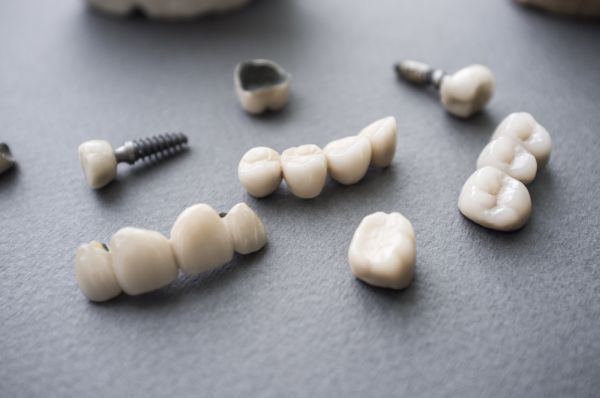
A dental crown can be used to fix a wide range of dental issues. Also called caps, these are tooth-like shells that are used to encase an entire tooth. It serves multiple functions: protecting the tooth from further decay and restoring its appearance.
Issues that crowns are often used to fix:
- Chipped, broken or cracked teeth
- Badly discolored teeth
- Severely decayed teeth
- Infected teeth
- Short teeth
- Gaps between teeth
How a dental crown protects a tooth
Here are ways that a crown protects the wearer's tooth from further damage:
1. It keeps away things that can damage the tooth
A dental crown protects teeth by keeping them safe from all the irritants in the mouth. Saliva, bacteria, food particles and acids are responsible for most of the dental issues people develop. Since the crown fully encases the tooth, these substances cannot reach the affected tooth to cause more damage.
For example, acids in the mouth are responsible for the vast majority of tooth decay. Some of these acids get into the mouth via the things a person eats, while others are produced by oral bacteria. These acids eat away at the protective outer layer of tooth (enamel), leaving the more sensitive parts of a tooth exposed.
2. It reinforces the tooth and protects it from bite forces
A crown also protects one's teeth from the forces involved in chewing. This is particularly important if the tooth has already been damaged. A crown restores the structural integrity and function of the tooth, allowing the patient to chew and speak with the damaged tooth as they have always done.
3. It holds the tooth together
When a tooth is protected with a cap, any fragmented parts of the tooth are held in place by the crown. This prevents the tooth from breaking into small pieces over time. It makes dental crowns an effective way to fix teeth that have fragmented into multiple pieces.
What to expect when getting a crown
There is not much to getting a dental crown. It starts with an evaluation, during which the dentist examines the patient and their oral issues. If the dentist determines a crown is the best solution, the patient's tooth will be prepared. This might involve removing a portion of enamel to make sure the crown holds tightly onto the remainder of the tooth.
An impression of the patient's mouth is taken, and this is sent to a dental lab that makes crowns. It takes about two weeks for the prosthetic to be ready. The dentist will usually fit the patient with a temporary crown and send them on their way.
Once the crown is ready, the patient is called back for an appointment, during which the temporary crown is taken out and the permanent one installed.
Need a crown?
Stop by our El Centro office if you are dealing with a dental problem that requires the use of a crown.
Request an appointment here: https://www.drkhorsand.com or call Khorsand Dental Group at (760) 394-3082 for an appointment in our El Centro office.
Check out what others are saying about our services on Yelp: Read our Yelp reviews.
Related Posts
Cosmetic dentists know that a beautiful smile goes beyond the appearance of the teeth. When too much of the gums show through when smiling, even perfect teeth can appear unusually short or small. Similarly, an uneven gumline may create an asymmetrical look that detracts from an otherwise beautiful smile. If you are unhappy with how…
It is no secret that professional teeth whitening can achieve a significantly brighter smile. Still, certain lifestyle choices, such as tobacco use, often pose significant obstacles to maintaining those results over time. Therefore, if anyone wants a brighter smile, they must commit to proper care. This starts with an understanding of how these habits interfere…
A smile makeover can change the way teeth look, feel, and function by combining treatments into one personalized plan. As a general dentist, the focus stays on oral health first, then appearance. This approach helps patients address concerns such as discoloration, uneven spacing, worn edges, and missing teeth in a way that fits their needs.…
Endodontics is primarily thought of as restorative treatment, but it can have cosmetic benefits as well. Your smile is one of the first things that other people notice. A healthy-looking smile can make you look more attractive, compared to having damaged, poorly managed teeth. Restoring the way that a tooth looks can help improve your…